
NBA Betting Rules and Overtime: What Counts and What Doesn’t
 Available in US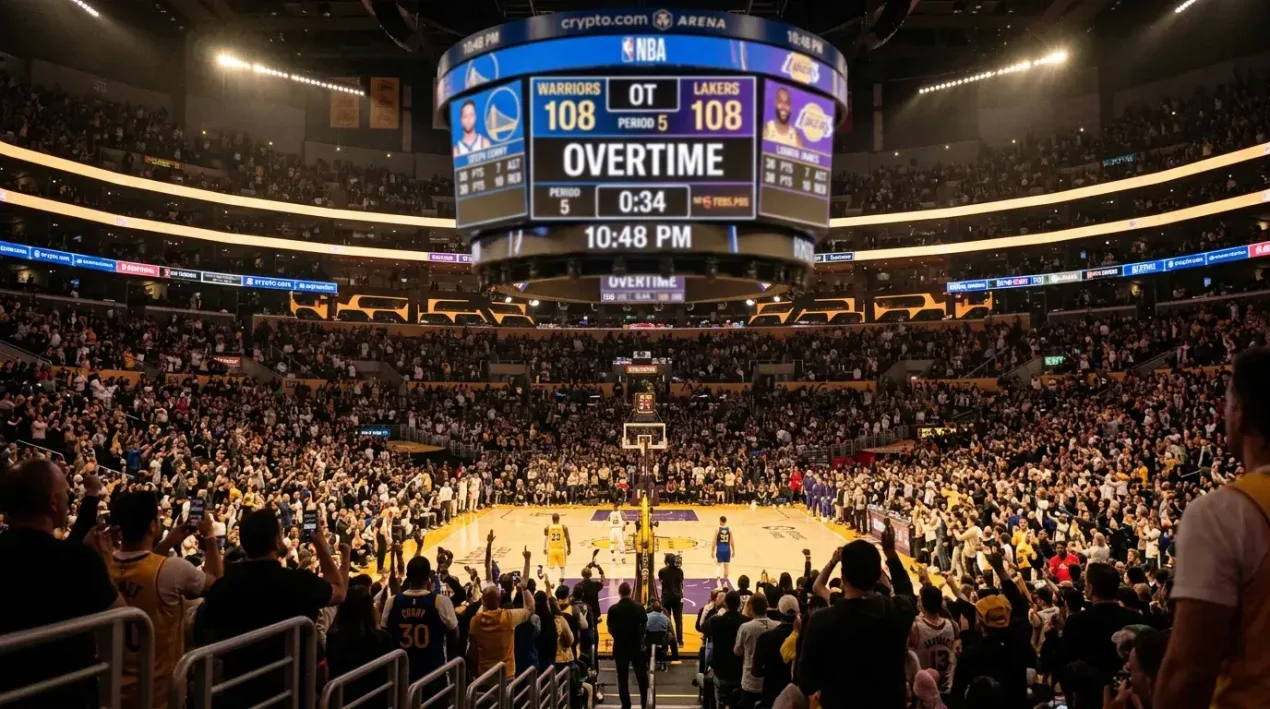
NBA overtime adds five minutes of play per extra period, and those minutes can shift every bet type on your slip in different ways. With roughly 290 million online bets placed monthly across the UK, a surprising number of bettors discover overtime rules only after a game goes past regulation. That is too late. The rules vary by bet type, and in some cases, by bookmaker. What follows is a clear breakdown of how overtime affects every major NBA betting market, so you never have to scramble through terms mid-game again.
Apply overtime knowledge to NBA spread betting for tighter margins.
Spread and Totals: Overtime Always Counts
This is the simplest rule in NBA betting: spreads and game totals always include overtime. Every UK-licensed bookmaker I have encountered applies this standard, and it matches the global convention. If you bet the Boston Celtics at -4.5 and they lead by three at the end of regulation but win by seven after overtime, your bet wins. If you bet the under on a game total of 224.5 and the teams are tied at 108-108 after four quarters, overtime scoring pushes the combined total higher — potentially past your line.
The implication for totals bettors is significant. Overtime adds roughly four to eight points to the combined score in a single extra period, and double or triple overtime games — rare but not unheard of — can add fifteen or more. This structural advantage for the over is worth factoring into your pre-game analysis. Games between evenly matched teams that are more likely to reach overtime carry an implicit over bias. That does not mean you should blindly bet overs in close matchups, but it is a small edge worth acknowledging in your modelling.
Spread bettors face a different dynamic. Overtime tends to separate teams because one side gains momentum and pulls away. A game that was a pick’em at the end of regulation can finish with a five-point margin after overtime. If you hold a spread position in a game heading to overtime, the extra period introduces variance that can either rescue or ruin your bet — and there is very little you can do about it except understand that this is part of the market you entered.
Player Props and Overtime: The Default and the Exceptions
Here is where it gets more complicated. The default at most UK-licensed sportsbooks is that player props include overtime. If you bet the over on a player’s points at 24.5 and he scores 23 through regulation but adds four in overtime, your bet wins. The same applies to rebounds, assists, steals, blocks, and combined stat lines — overtime performance counts toward the prop settlement.
The exception — and this catches people — is that not every bookmaker follows this default. Some operators, particularly those that source their NBA odds from different trading providers, may settle specific prop categories on regulation time only. I have seen this most often with less common prop types: turnovers, personal fouls, and some of the newer “performance” props that bundle multiple stats into a single score. Before you place any player prop, check the bet slip’s terms. Most UK apps display settlement rules when you tap the “i” icon next to the market name. Ten seconds of reading can prevent a dispute later.
Overtime also creates a subtle analytical consideration. If you are betting the over on a player’s prop and the game is close enough to go to overtime, that player is likely playing extended minutes — which gives him more time to accumulate stats. This is not a reason to chase overs indiscriminately, but it is a structural feature worth noting. For a detailed look at how different prop types work, the prop betting guide covers the full range of available markets.
Quarter and Half Bets: Excluded From Overtime
Quarter bets and half bets are the cleanest exception to the overtime rule. First-quarter spreads, second-half totals, and any bet tied to a specific time segment settle on the regulation score for that period only. Overtime does not count. This means if you bet the first-half total under 112.5 and the first half ends at 110 combined, your bet wins regardless of what happens in the second half or any overtime periods.
This exclusion makes quarter and half bets attractive for bettors who want to avoid overtime variance entirely. The trade-off is that you are betting on a smaller sample of game time, which can increase variance from a different direction — a hot or cold shooting stretch in a single quarter can swing the result more dramatically than it would over a full game. But the overtime-immune nature of these bets is a genuine structural advantage for anyone who has been burned by a spread or total flipping in an extra period.
One thing to watch: some bookmakers offer “fourth-quarter winner” or “fourth-quarter result” markets. These typically settle on the fourth quarter only, excluding overtime. But if a game is tied at the end of the fourth quarter and goes to overtime, the fourth-quarter market should settle as a tie — check the specific terms because some operators handle this edge case differently.
Bookmaker-Specific Overtime Policies
I maintain a spreadsheet of overtime policies across the UK sportsbooks I use regularly, and I would encourage you to do the same. The differences are not dramatic — most licensed operators follow the same conventions — but the exceptions exist, and they tend to surface in the least convenient moments. Ten percent of the UK population bets on sports online, and the overwhelming majority never read the overtime terms until a disputed settlement forces them to.
The areas most likely to differ between bookmakers are alternative markets — things like “player to score first basket,” “race to 20 points,” or specific quarter player props. Some operators settle these on regulation only; others include overtime. The inconsistency is frustrating, but it is manageable if you check before you bet.
A practical habit: before tip-off, open the specific market you plan to bet, tap the terms link, and search for “overtime” or “OT.” If the policy is unclear, screenshot the terms page. In the event of a dispute, having a timestamped record of the displayed terms gives you something concrete to present to the ADR provider. It sounds paranoid until you need it.
Explore betting on nba players for NBA rules and edge cases.
Overtime Rules FAQ
Does an NBA prop bet on player points include overtime stats?
At most UK-licensed sportsbooks, yes. Player points props settle on the full game result, including any overtime periods. If a player scores 22 points through regulation and adds 5 in overtime, the total for settlement purposes is 27. However, some bookmakers may settle certain prop types on regulation time only. Always check the specific market’s terms before placing your bet — the settlement rule is usually displayed alongside the odds.
What happens to my live bet if an NBA game goes to overtime?
Live bets placed during regulation continue into overtime unless the specific market has already settled. For example, a live total bet placed in the third quarter will include overtime scoring in its settlement. However, some in-play markets — like ‘next team to score’ or ‘current quarter total’ — settle independently and are not affected by overtime. If you placed a live bet on a market that closed before overtime began, the settlement should follow the same rules as the equivalent pre-game market.
This material was created by the CourtEdge team.
Related posts

NBA Betting Glossary for UK Punters: Every Term You Need to Know

British Basketball League Betting in the UK: Markets, Coverage, and Differences from NBA