Player Harassment and Gambling: The Growing Crisis in NBA Prop Betting
 Available in US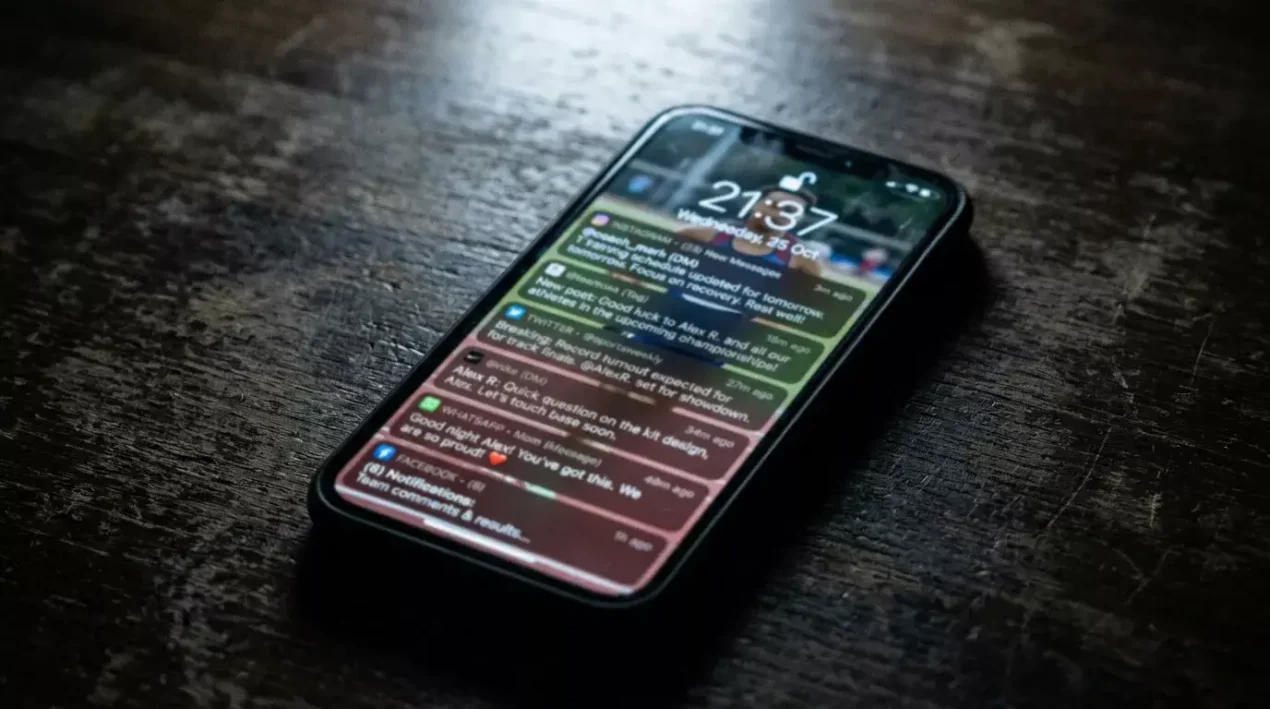
Michael Porter Jr. of the Denver Nuggets said it plainly: the whole sports gambling entity is bad, and it is only going to get worse. Players receive death threats. The threats are not abstract or hypothetical — they arrive in direct messages, in comments under Instagram posts, in replies to innocuous tweets. The prop betting boom has created a direct, personal link between a bettor’s financial outcome and an individual player’s stat line, and some bettors respond to losing that money by targeting the player they hold responsible. This article is not a call to ban prop betting. It is a call to understand the human cost of the markets we participate in.
Bet safely with our responsible gambling for NBA betting guide.
The Scale of Gambling-Related Athlete Harassment
The data paints a troubling picture. Beyond the NCAA finding that more than half of male Division I basketball players have been harassed by bettors, an anonymous player poll conducted by The Athletic in 2025 found that 46% of NBA players believe the league’s gambling partnerships actively harm the league. Only 34% considered them beneficial. The gap between those numbers tells you something about how the people most directly affected by this industry view its growth.
The Big Ten Conference’s Student-Athlete Issues Commission wrote to the NCAA president in February 2026 with language that left no room for interpretation: prop bets are a direct avenue to the overwhelming number of death threats that student-athletes receive when they cause a fan to lose a bet. That statement came from an institutional body representing thousands of athletes, not a single disgruntled voice. It reflected a consensus within the athletic community that the link between individual prop bets and individual harassment is causal, not coincidental.
At the professional level, the stakes are higher and the threats more severe. Fred VanVleet, president of the NBPA, described the danger in visceral terms: if a player escalates a confrontation with a bettor who approaches him, and that person has a gun, the threat is real. This is not a metaphor. Players have reported being confronted in public — at restaurants, in car parks, outside team facilities — by individuals angry about lost bets. The intersection of financial loss, emotional intensity, and easy access to players’ locations through social media creates a dynamic that goes far beyond online trolling.
The harassment is not evenly distributed. Role players who are less well-known — and therefore less protected by security, less likely to have managed social media accounts, and less able to filter their messages — bear a disproportionate share. A star player with millions of followers might not notice a handful of abusive messages in a sea of notifications. A bench player with fifty thousand followers sees every one.
Why Prop Bets Intensify Player Targeting
The structural link between prop betting and harassment is straightforward. When you bet on a game outcome — moneyline or spread — the result depends on the entire team. When you bet on a player prop, the result depends on one person. If that person “fails” — if he scores 18 points when you needed 19.5 — the frustration has a name, a face, and a social media account you can find in seconds.
Same-game parlays amplify this dynamic. A four-leg parlay that loses because one player’s rebounds came in one short creates a specific, identifiable target for the bettor’s anger. The other three legs hit; it was “his fault.” That framing — even if it is statistically absurd — is emotionally compelling in the moment of loss. The bettor does not blame the bookmaker for setting the line or themselves for building a high-variance parlay. They blame the player.
The culture of social media compounds the problem. Betting communities on platforms and forums often share their parlays publicly, and when a high-profile parlay busts because of one player, the pile-on is collective. Hundreds of bettors who had the same player in their parlays direct their frustration simultaneously, creating a wave of abuse that overwhelms any individual’s ability to manage their mentions. The player does not see one angry message; he sees hundreds, all arriving within minutes of the game ending.
The anonymity of online platforms removes the social consequences that would normally restrain abusive behaviour. A person who would never threaten a stranger to their face will type those same words from behind an anonymous account without hesitation. The gap between online and offline behaviour is well-documented across all contexts, but in sports betting it takes on a specific and dangerous dimension because the target is identifiable and the grievance feels personal.
What This Means for How We Bet
I am not going to tell you to stop betting on player props. I bet on them myself, and this publication exists to help you do it more effectively. But I do think every prop bettor has a responsibility to understand what the market looks like from the other side — from the perspective of the person whose stat line determines whether your bet wins or loses.
The minimum standard is obvious: do not contact a player about your bet. Do not send a message after a loss. Do not tag a player in a post celebrating or lamenting your parlay. Do not engage in forums that normalise targeting athletes. These are not controversial positions — they are baseline decency — but the volume of harassment data suggests that a meaningful minority of bettors do not observe them.
Beyond individual behaviour, it is worth thinking about the structural incentives. The more that bookmakers promote player-specific markets, the more directly bettors’ financial outcomes are tied to individual athletes, and the more harassment flows toward those athletes. Supporting regulatory frameworks that address the most extreme forms of targeting — while preserving the markets that informed bettors value — is in everyone’s interest. For context on the broader integrity challenges that surround prop betting, the integrity and scandals analysis covers the regulatory landscape in detail.
We can engage with these markets intelligently and profitably without contributing to a culture that treats athletes as instruments of our financial outcomes. That distinction — between analysing a player’s statistical output and holding a player personally accountable for your betting result — is the line that should not be crossed.
See also: betting on nba players for NBA gambling ethics.
Harassment FAQ
Have any NBA players publicly spoken about gambling-related threats?
Yes. Multiple NBA players have spoken publicly about receiving death threats and in-person confrontations related to betting outcomes. Michael Porter Jr. has described the gambling landscape as harmful and worsening, while Fred VanVleet, as NBPA president, has highlighted the physical danger that players face when confronted by angry bettors. The NBPA has formally expressed concern that prop bets have become a significant source of player harassment.
Are there proposals to restrict NBA prop bets due to player harassment?
Yes. At both the state and federal level in the United States, there are active proposals to restrict or ban certain player prop categories. The SAFE Bet Act is the most prominent federal proposal. Several states have already enacted restrictions on collegiate player props, and similar measures for professional sports are under discussion. In the UK, the UKGC has not proposed specific prop restrictions, but the broader regulatory trend toward player protection could influence future policy.
This material was created by the CourtEdge team.
Related posts

NBA Betting Glossary for UK Punters: Every Term You Need to Know
British Basketball League Betting in the UK: Markets, Coverage, and Differences from NBA