
NBA Injury Impact on Betting Lines: How to React Before the Market Does
 Available in US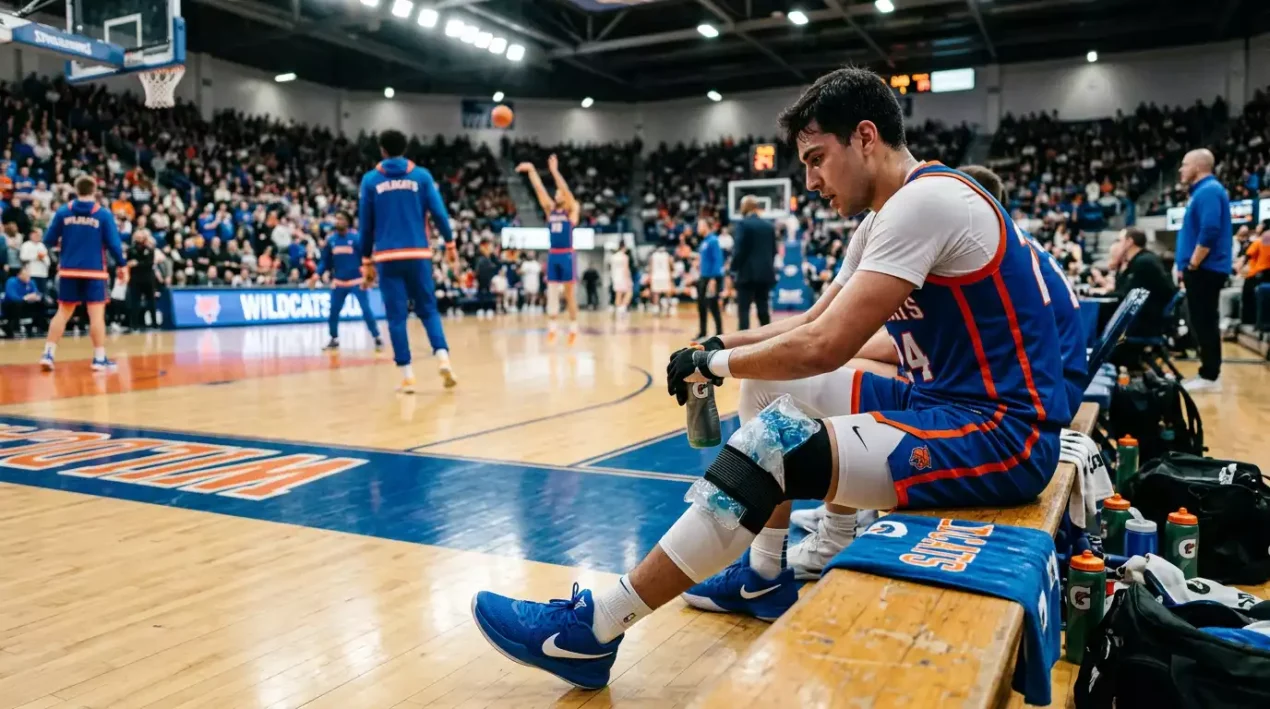
For UK punters betting on NBA player props from the right side of the Atlantic, injury reports are not background noise. They are the primary catalyst for line movement, value creation, and market inefficiency. This guide covers how the NBA’s injury designation system works, how quickly bookmakers react, and where the windows of opportunity open for bettors paying attention.
React to late scratches with NBA live betting in the UK.
NBA Injury Designations and What They Mean for Lines
I learned the injury report the hard way — by losing a bet on a player listed as “probable” who then sat out entirely. Probable, in NBA terms, sounds reassuring, but it is not a guarantee. The league mandates that teams submit injury reports by 5 PM Eastern Time on the day before a game (1 PM for weekend games), and each injured player receives one of four designations: out, doubtful, questionable, or probable.
“Out” is the only definitive one. It means the player will not play, full stop. “Doubtful” historically translates to roughly 25% or lower chance of playing. “Questionable” is the designation that causes the most market chaos — it covers everything from a genuine 50/50 decision to a player who will almost certainly play but has a nagging issue the team must report. “Probable” was actually removed from mandatory reporting for a period and then returned; it indicates a player is expected to suit up but the team wants to flag a minor concern.
For betting purposes, the actionable designations are “out” and “questionable.” When a player is ruled out, lines for his teammates shift immediately. When a player is questionable, the market enters a holding pattern — lines may not move until closer to tip-off, when a final decision arrives. That gap between designation and confirmation is where attentive bettors can find value, particularly in UK time zones where injury decisions often land between 10 PM and midnight GMT, well after casual bettors have placed their pre-match wagers and gone to bed.
How Quickly Bookmakers Adjust After Injury News
Speed varies enormously, and this was the biggest surprise when I started tracking it systematically. Major UK operators with sophisticated pricing models — the ones backed by Flutter’s $15.91 billion revenue machine or similar infrastructure — adjust within minutes of an injury report hitting social media or official channels. Smaller operators can take thirty minutes to an hour, sometimes longer for secondary markets like teammate prop adjustments.
The sharpest line movements happen in two phases. Phase one occurs when the initial designation drops: a star player listed as questionable triggers a general tightening of related lines, often pulling props slightly toward the under or widening the spread. Phase two occurs when the final confirmation arrives — “Player X has been ruled out” — and teammates’ lines jump aggressively in the opposite direction. A starting point guard who averages 7.5 assists might see his line climb to 9.5 if the team’s secondary playmaker is confirmed out, because the offence will funnel more creation through him.
The practical edge for UK bettors sits in the gap between phases. If you track NBA injury feeds and team beat reporters on social media, you can often anticipate a phase-two move before the formal confirmation. A reporter tweeting that a player “is not expected to play” at 9:30 PM GMT moves the market before the team’s official 10:15 PM update. That 45-minute window is narrow but real, and it rewards punters who have done their homework on which teammate props move most when a specific starter sits.
Which Props Move Most When a Star Sits
Not every teammate benefits equally when a starter is absent, and understanding the hierarchy of beneficiaries is the difference between a sharp reaction and a blind guess. The biggest line shifts go to the player who directly absorbs the absent player’s role. If the starting shooting guard is out, the player who moves into the starting lineup inherits the most dramatic prop adjustment — usually a 15-25% bump on his points line and a noticeable jump in minutes.
Beyond the direct replacement, secondary beneficiaries see subtler but still meaningful changes. The primary ball handler might see an assists bump if the absent player was a secondary creator. The centre might see a rebounds increase if the absent player was a forward who contested boards. These second-order effects are where sportsbooks are slowest to adjust, because the models need to redistribute minutes and usage across multiple players simultaneously.
I keep a simple spreadsheet for teams I bet on regularly: who replaces whom, and what has happened historically when that specific absence occurs. Even three or four data points from earlier in the season can sharpen your read significantly. The cascade framework covered in the prop strategy guide goes deeper on this methodology.
See also: betting on nba players for injury-based analysis.
Returning Players: Minutes Limits and Under Props
The flip side of injury absences is the return. And this is where I have found some of the most consistent value over the years: betting the under on players coming back from multi-game absences. Teams almost always impose minutes restrictions when a player returns — 20-25 minutes instead of his usual 32-36. Sportsbooks do adjust lines for these returns, but in my experience they under-correct. A player whose normal line is 24.5 points might be posted at 18.5 on his return night, but if he is only playing 22 minutes, even 18.5 can be generous.
The ramp-up period matters too. A player back from a one-game absence usually returns to full minutes immediately. A player returning after a three-week injury typically needs two or three games to ramp back to his baseline workload. During that ramp, his per-minute production might be normal, but the minutes cap compresses his total output. Under props in that window deserve serious consideration, particularly on rebounds and assists where the output is roughly linear with playing time.
One caveat: do not bet unders on a star player’s first game back during the playoffs. Postseason urgency overrides regular-season caution, and coaches regularly discard minutes limits when elimination is on the line. The regular-season return pattern is a different animal from a playoff comeback, and the pricing rarely reflects that distinction.
Where can I find the latest NBA injury reports as a UK bettor?
The NBA’s official injury report is published daily on the league’s website and app, typically by 5 PM Eastern Time (10 PM GMT during winter, 11 PM BST during summer). For real-time updates, following team beat reporters and injury-tracking accounts on social media provides the fastest information, often ahead of official announcements by 30-60 minutes.
How does load management affect NBA prop lines?
Load management — when a healthy player rests for a game — produces the same line impact as a standard injury absence. Prop lines for teammates shift upward when a star sits for load management, though bookmakers often adjust more quickly because planned rest is typically signalled hours or even days in advance through coach comments and media reports.
This material was created by the CourtEdge team.
Related posts

NBA Betting Glossary for UK Punters: Every Term You Need to Know
British Basketball League Betting in the UK: Markets, Coverage, and Differences from NBA